Experienced Roofing Services: Defend Your Investment With Excellent Construction
Investing in professional roof installation is crucial for protecting a home's foundational strength. Quality craftsmanship not only prevents typical problems like water infiltration and wind damage but also enhances the property's overall value. Homeowners must evaluate the lasting advantages of skilled professionals who use premium products. Understanding the significance of these solutions can result in better decisions for home maintenance and protection. What considerations should homeowners weigh when choosing a roofing contractor?
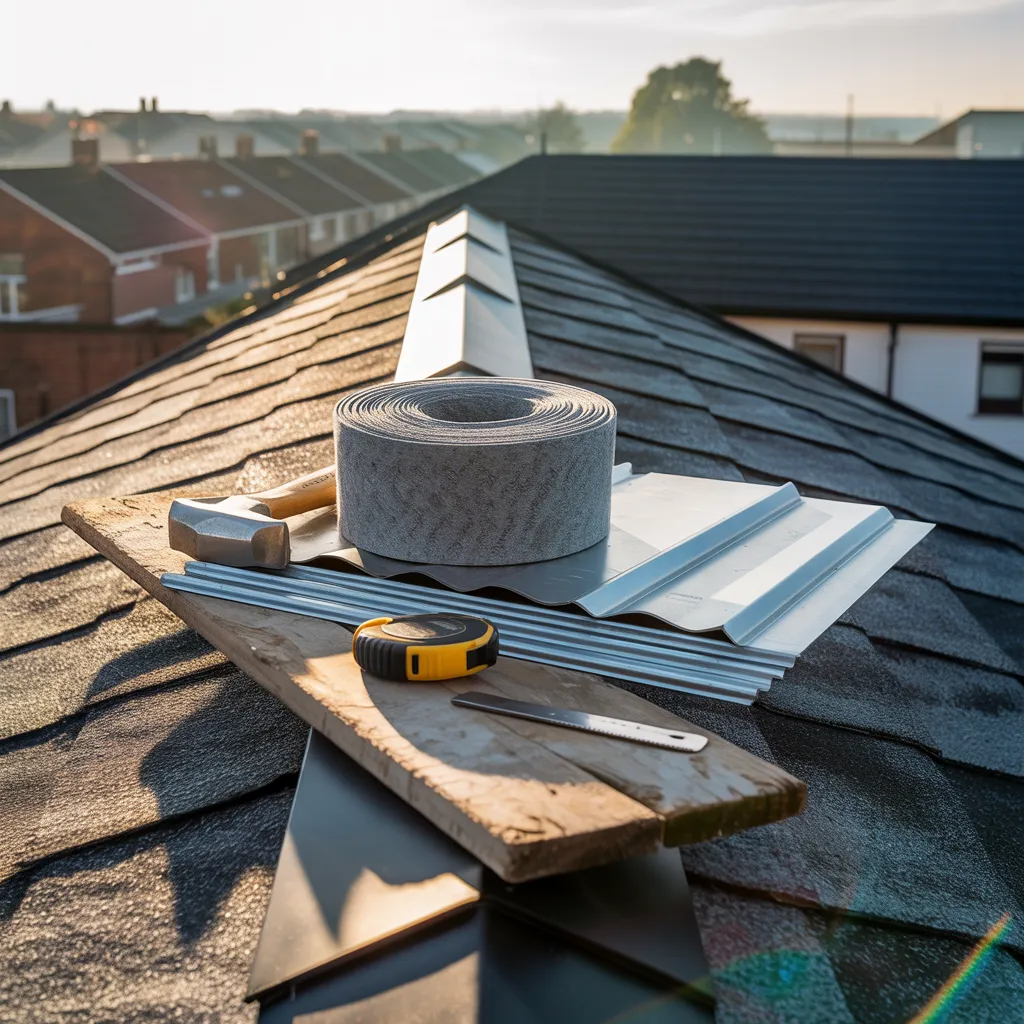
How Quality Roofing Protects Your Home Financial Commitment
Quality roofing offers a critical barrier against the elements, maintaining a home's structural integrity and overall value. A solidly constructed roof prevents water infiltration, which can lead to mold, rot, and costly repairs. It also protects against wind damage and extreme temperatures, ensuring that insulation remains effective, thereby strengthening energy efficiency. Quality materials, such as asphalt shingles or metal roofing, support longevity and reduce the need for frequent maintenance or replacement.
Additionally, a superior roof enhances curb appeal, raising the home's sales appeal. Potential purchasers are often put off by evidence of roofing complications, which can lower a property's selling price. Making an investment in premium roofing not only provides quick protection but also functions as a sustained investment that generates returns in the form of lower insurance premiums and boosted equity. Homeowners who prioritize premium roofing in the end safeguard their financial interests in the property.
Top 5 Reasons to Go with Qualified Roofing Solutions
Choosing professional roofing services can significantly affect the longevity and durability of a home’s roof. First, experienced professionals have wide-ranging knowledge and experience, confirming that installations and repairs meet industry standards. Second, expert roofing services typically provide warranties, offering peace of mind and safeguarding the homeowner’s investment. Third, they use high-quality materials, boosting durability and resistance against harsh weather conditions. Fourth, professionals make sure to comply with local building codes and regulations, mitigating the risk of future legal issues. Finally, by hiring experts, homeowners enjoy timely project completion, cutting down interruptions to daily routines. These five points highlight the importance of choosing expert roofing services to secure both the roof and overall property value. Investing in professionals not only improves structural integrity but also contributes to the long-term care and aesthetic value of a home.
Vital Features to Seek out in a Roofing Contractor
When picking a roofing contractor, several vital qualities are necessary for ensuring a successful project. Experience and knowledge in the field, along with appropriate licensing and insurance, provide a foundation of dependability. Additionally, the application of quality materials can significantly impact the longevity and effectiveness of the roofing solution.
Experience and Proficiency
Navigating the domain of roofing contractors requires a keen eye for background and expertise. Homeowners need to prioritize contractors with a demonstrated history of accomplished projects, as this reflects reliability and competence. Contractors with experience are usually well-versed in various roofing materials and techniques, ensuring they can address diverse challenges efficiently. Moreover, proficiency commonly results in better problem-solving abilities, which can avoid problems during installation or repairs. Employing a contractor with extensive knowledge also leads to helpful recommendations that enhance the roofing system's longevity and performance. In conclusion, selecting a contractor who represents both experience and expertise is vital for safeguarding the integrity of your investment in roofing services.
Licenses and Insurance
A trusted roofing contractor should always keep valid licensing and insurance, which are crucial markers of professionalism and responsibility. Licensing assures that the contractor follows industry standards and regulations, providing homeowners with reassurance. It also indicates the contractor's dedication to quality workmanship and following safety protocols. Insurance, conversely, protects both the contractor and the homeowner from likely liabilities. In the event of an accident or damage during the roofing project, adequate insurance coverage can prevent costly financial repercussions. Consequently, verifying a contractor's licensing and insurance status is essential. Homeowners are recommended to obtain documentation and verify its validity before contracting any roofing services, ensuring a safer and more reliable roofing experience.
Superior Materials Integrated
Quality materials function as vital aspects in the durability and effectiveness of a roofing system. When selecting a roofing contractor, it is critical to question the varieties of products they use. High-quality shingles, underlayment, and flashing can greatly enhance resilience and defense to climatic factors. Contractors should supply materials that comply with industry standards and have demonstrated endurance. Additionally, efficiency-focused alternatives may contribute to lower utility costs. Homeowners should also consider warranties associated with materials, as these can show the manufacturer's confidence in their items. By emphasizing excellent supplies, homeowners can guarantee that their roofing investment is defended, ultimately contributing to reduced maintenance costs and extended roof lifespan.
Preferred Roofing Materials and The Advantages They Provide
When investigating roofing options, homeowners commonly assess the benefits of various materials. Asphalt shingles, metal roofing, and tile roofing each showcase unique benefits that accommodate different needs and preferences. Understanding these materials can help in choosing appropriately for long-term roofing solutions.
Asphalt Shingles Details
Asphalt shingles serve as one of the most frequently selected roofing materials due to their economical nature and adaptability. Accessible in a multitude of colors and styles, they can work with any architectural design, making them a mainstream choice for homeowners. These shingles are formed of a fiberglass mat applied with asphalt and mineral granules, presenting durability and climate resistance. Their convenient installation facilitates lower labor costs, further strengthening their appeal. Additionally, asphalt shingles tend to have a lifespan of 15 to 30 years, depending on the quality specified. They also guarantee good fire resistance and can be salvaged at the end of their life cycle, making them an responsible option. Overall, asphalt shingles furnish a sensible solution for roofing needs.
Metal Roof Perks
Metal roofing provides a robust option to conventional roofing, recognized for its outstanding durability and longevity. This type of roofing can withstand extreme weather conditions, such as heavy rain, snow, and high winds, rendering it appropriate for a range of climate zones. Furthermore, metal roofs are protected to rust, corrosion, and pests, which further extends their lifespan. They are also energy-efficient, reflecting solar heat and potentially lowering cooling costs. Available in multiple designs and hues, metal roofing improves a property's aesthetic appeal while providing significant value. Furthermore, many metal roofing options are made from recycled materials, offering an environmentally friendly choice. In summary, the benefits of metal roofing make it a attractive option for homeowners seeking durable defense and efficiency.
Tile Roof Benefits
Tile roofing is recognized as another popular option among homeowners, renowned for its unique combination of aesthetics and functionality. One of the primary advantages of tile roofing is its long-lasting nature; tiles can resist severe weather conditions, including heavy rain and extreme temperatures. Additionally, tile roofs are fire-resistant, offering an added level of safety. Their longevity often surpasses that of other materials, rendering them a cost-effective choice over time. Tile roofing also provides excellent insulation properties, which can assist reduce energy costs. The variety of styles and colors available allows homeowners to improve their property’s curb appeal. Overall, tile roofing presents a solid investment, combining beauty, resilience, and efficiency for discerning homeowners.
The Contribution of Superior Construction in Roof Durability
Quality craftsmanship is necessary for assuring a roof's longevity and functionality. When qualified contractors pursue roofing works, they utilize high-quality materials and exact techniques, which clearly determine the roof's durability. Attention to detail, from correct installation approaches to respect for building codes, lowers vulnerabilities that could bring about leaks or structural damage.
Furthermore, experienced roofers analysis recognize the specific requirements of assorted roof materials, permitting them to modify their technique for optimal results. This proficiency not only boosts the roof's longevity but also promises that it can endure environmental threats such as extreme climatic factors.
Investing in quality craftsmanship also results in fewer repair needs over time, ultimately relieving homeowners from unexpected expenses. In conclusion, the role of quality craftsmanship in roofing cannot be overstated; it is crucial for achieving a long-lasting and effective roof that protects one's investment.
Upkeep Suggestions to Protect Your New Roof Asset
Guarding a new roof expenditure calls for preventive servicing to guarantee its lasting power and performance. Periodic inspections are indispensable; homeowners should check for signs of wear or damage at least biannually and subsequent to intense weather. Flushing gutters and downspouts prevents water pooling, which can trigger moisture intrusion. In addition, removing debris such as leaves and branches facilitates optimal drainage.
Coating and sealing problem areas exposed to harsh weather can enhance the roof's service life. Homeowners should check proper air movement in the attic space to prevent damp accumulation and roof deterioration. It is advisable to remove drooping limbs to decrease the risk of damage during bad weather.
Conclusively, utilizing a professional roofing service for ongoing assessments can reveal problems at the start, verifying the roof stays in first-rate shape. By committing to these maintenance tips, homeowners can keep their property protected and achieve confidence for years to come.
Frequently Commonly Posed Questions
How much time Does a Standard Roofing Installation Take?
A regular roofing execution commonly takes one to three days, determined by the scale and difficulty of the work. Weather conditions and the type of materials selected can also affect the overall duration considerably.
What Coverage Plans Are Offered for Roof Services?
Various protective plans are obtainable for roofing work, including material warranties, workmanship warranties, and expanded warranties. These warranties routinely address defects and leaks, verifying the homeowner's financial protection is maintained for a specified duration after installation.
Is It Possible to Install a New Roof Over My Old One?
Certainly, installing a new roof over an old one is possible, if it meets local building codes and structural integrity requirements. However, professionals advise stripping old layers for improved long-term performance and warranty coverage.
How Do Weather Conditions Affect Roof Installation?
Weather conditions significantly affect roofing installation, as extreme temperatures, precipitation, and wind can affect material bonding and longevity. Proper scheduling during optimal conditions guarantees ideal performance and longevity of the roofing system.
What actions ought to I Take if My Roof is Leaking?
When a roof starts leaking, the first step is to control the water flow, followed by inspecting for the source of the leak. Interim solutions can be done with waterproof covers, while professional assistance is recommended for permanent solutions to prevent further damage.